




Does Massage Reduce Stress? 7 Benefits You Should Know
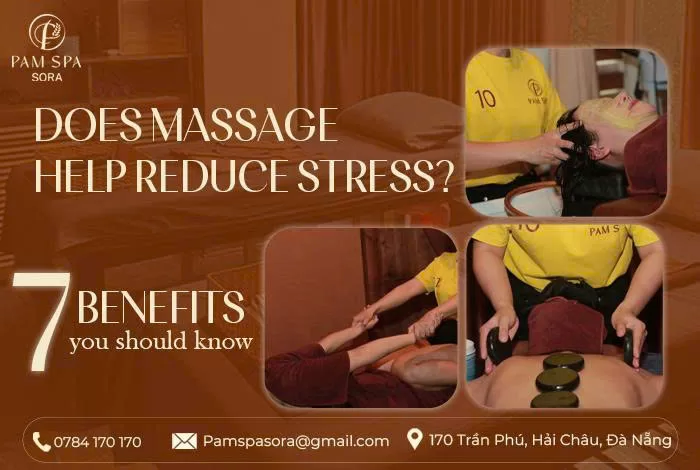
Does massage reduce stress is a common question for people seeking relaxation after a stressful day. Massage may help relax the body, ease muscle tension, and promote comfort after physical or mental pressure. If you often feel tired, overwhelmed, or unable to relax after work or study, massage may support relaxation and recovery. So, does massage reduce stress? In this article, PAM SPA SORA explains how massage may support stress relief and highlights 7 benefits of massage you should know.
1. Does Massage Reduce Stress?
Long-term stress can affect more than just your mood. It may also affect your physical well-being. Physical signs of stress may include tightness around the neck and shoulders, back discomfort, difficulty relaxing, fatigue, or poor sleep.
For this reason, in addition to adjusting your work schedule, getting enough rest, and maintaining regular physical activity, many people choose massage as a way to help their bodies relax after periods of pressure.
So, does massage reduce stress when you are looking for a way to relax? Massage may help reduce feelings of stress and promote relaxation, especially when it is performed using appropriate techniques and adapted to your physical condition.
Research suggests that massage may promote relaxation and improve mood in some groups. However, research on massage and anxiety has shown mixed results, so massage should not be considered a universal treatment for stress or anxiety.
An important point is that the feeling of relaxation after a massage does not only come from massage techniques themselves. A quiet environment, an appropriate massage pace, taking a temporary break from work, and focusing on physical sensations may also help you step away from everyday pressure.
At PAM SPA SORA, guests can choose from a variety of relaxation and body-care services, including Hot Stone Massage and Aroma Massage.
If you are wondering does massage reduce stress, a relaxing massage session can be one way to create time for your body and mind to slow down.
2. Why Does Massage Reduce Stress?
When you experience stress, your body may remain in a heightened state of alertness. This can cause muscle groups such as the neck, shoulders, and back to become tense for extended periods, especially among people who work long hours at a computer, drive frequently, or regularly use smartphones.
Massage directly affects soft tissues such as muscles, skin, tendons, and ligaments through different movements and levels of pressure. When muscles become more relaxed, discomfort associated with muscle tension may decrease, helping the body move toward a more restful state.
Some studies have also found an association between massage and reduced anxiety in certain groups. However, research findings are not completely consistent, so more high-quality studies are needed.
In other words, massage should mainly be viewed as a supportive method for relaxation and self-care rather than a single solution for long-term stress.
Therefore, if you are asking does massage reduce stress, it is important to understand that massage may support relaxation, but the results can vary from person to person.
3. 7 Benefits of Massage You Should Know
It is not surprising that massage has become a popular form of relaxation and body care. When performed appropriately, massage may provide several benefits related to relaxation, muscle comfort, and overall well-being.
If you are researching does massage reduce stress, the following seven benefits can help explain why massage is commonly included in personal wellness routines.
3.1 Massage May Help Relax the Body and Mind
One of the most noticeable benefits of massage is the feeling of relaxation that many people seek after a long working day or extensive travel.
When you maintain the same posture for a long period, certain muscle groups can become tense, tired, or uncomfortable, especially around the back, neck, and shoulders.
Appropriate massage techniques may help reduce feelings of tension in areas that regularly experience physical pressure. When the body becomes less tense, you may also find it easier to experience a sense of relaxation.
This is one of the main reasons people choose massage after a stressful day.
If you are asking does massage reduce stress, relaxation is one of the main benefits associated with massage and stress relief.
3.2 Massage May Help Relieve Muscle Tension and Discomfort
Stress and daily habits can be associated with muscle tension. Sitting for long periods, looking down at a smartphone, or sleeping in an uncomfortable position may cause discomfort around the neck, shoulders, and back.
Massage focused on tense areas may help the body feel more comfortable. Appropriate massage techniques may also help reduce feelings of muscle tightness.
However, massage pressure should be appropriate for your physical condition. Stronger massage does not necessarily mean better results. If a technique causes significant pain or discomfort, communicate with your massage therapist so the pressure can be adjusted.
If you are considering does massage reduce stress, remember that an effective massage should focus on comfort and appropriate pressure rather than simply using stronger techniques.
3.3 Massage May Support Better Blood Circulation
Massage and blood circulation are commonly discussed when describing the potential benefits of massage. Massage movements applied to soft tissues may support circulation in the treated area and help the body feel more comfortable.
However, this should not be understood to mean that massage can treat medical conditions related to circulation.
If you experience unusual symptoms such as one-sided leg swelling, leg pain, chest pain, or difficulty breathing, or if you have been diagnosed with a blood vessel condition, you should seek medical evaluation before receiving massage.
For anyone researching does massage reduce stress, it is important to distinguish between general relaxation benefits and medical treatment.
3.4 Massage May Help Reduce Feelings of Fatigue After a Long Day
There are days when your body may not be in significant pain but can still feel heavy, tired, and low in energy. This may result from continuous work, prolonged sitting, extensive travel, or insufficient rest.
A suitable massage session creates time for you to pause your usual activities. When your muscles relax and your mind is temporarily removed from work-related tasks, feelings of fatigue may decrease for some people.
This is one reason massage is often chosen after stressful workdays or activities that require considerable physical effort.
If you are exploring does massage reduce stress, massage can provide a dedicated period for your body and mind to slow down.
However, massage cannot replace adequate sleep, proper nutrition, or sufficient rest.
3.5 Massage May Support Better Sleep Quality
Stress can make it difficult for many people to relax before bedtime. When your mind continues to focus on work, study, or personal concerns, your body may find it harder to transition into a restful state.
Massage creates a relaxing period before sleep and may help reduce muscle tension, potentially supporting a greater sense of physical comfort.
The effects can vary depending on each person’s body and circumstances. If sleep problems continue for a long time and affect your daily activities, you should identify the underlying cause and consider discussing it with a healthcare professional.
This is another reason why people interested in does massage reduce stress may consider massage as part of a relaxation routine.
3.6 Massage May Help Relieve Stress Related to Work Pressure
A long working day can leave both the body and mind feeling tense. This is particularly common among people who work in front of computers, attend frequent meetings, process large amounts of information, or need to maintain concentration for long periods.
During these situations, having time when you do not need to deal with work-related tasks can be valuable.
Massage allows you to temporarily step away from your usual schedule, focus on your body, and make time for rest.
This is why massage does not necessarily need to wait until you feel completely exhausted. Making time for body care can become part of a reasonable rest routine.
If you are searching for information about does massage reduce stress, consider massage as one supportive activity that can be combined with adequate sleep, physical activity, healthy nutrition, and other stress-management habits.
3.7 Massage May Contribute to Comfort and Quality of Life
The benefits of massage are not limited to one specific muscle group.
When your body feels less tense, your mind has more opportunity to relax, and you have dedicated time to rest, you may feel more comfortable during everyday activities.
Some research reviews have also reported potential benefits of massage for anxiety, quality of life, or certain physical symptoms in specific groups. However, the strength of evidence varies depending on the health condition and type of massage studied.
Therefore, if you are researching does massage reduce stress, massage is best viewed as a form of supportive body care and relaxation.
The actual experience can depend on the massage technique, duration, frequency, physical condition, and therapist.

4. Does Massage Reduce Stress Immediately After One Session?
4.1 Feeling Relaxed After a Massage
Many people feel relaxed immediately after a massage, but you should not expect one massage session to completely resolve long-term stress.
The feeling after a massage depends on several factors, including your stress level beforehand, muscle condition, massage duration, techniques used, and your individual ability to relax.
So, does massage reduce stress immediately after one session? Massage may help you feel more relaxed after one session, but the experience can differ from person to person.
4.2 Why Does the Effect of Massage Differ From Person to Person?
Research on massage and anxiety has shown positive results in some groups, but the quality of evidence is not consistent across all studies.
For this reason, massage should not be considered a replacement for standard medical care.
If your stress comes from an overloaded schedule, lack of sleep, or ongoing pressure, massage can be one part of a broader self-care plan. It should be combined with sufficient rest, physical activity, balanced nutrition, and efforts to address the underlying causes of stress.
PAM SPA SORA offers Hot Stone Massage, a popular treatment that combines heat therapy with massage techniques to create a relaxing body-care experience.
For people wondering does massage reduce stress, a relaxing Hot Stone Massage can be one option to consider when you need time to pause and recharge.
5. When Should You Get a Massage to Support Stress Relief?
5.1 When Your Body Feels Tense and Tired
The appropriate time for massage can vary depending on your individual needs.
You may consider massage when your body frequently feels tense, your neck and shoulders become tired after work, or you need a period of relaxation after a busy schedule.
If you are interested in whether does massage reduce stress, choosing a time when you can properly rest after the massage may make the overall experience more comfortable.
5.2 After a Stressful Workday
Many people prefer massage at the end of the day because they can rest afterward instead of immediately returning to work.
If you choose massage during the daytime, you should also allow enough time afterward for your body to relax before returning to a demanding schedule.
For people exploring does massage reduce stress, a massage session after a stressful day can provide valuable personal time away from work and daily responsibilities.
5.3 When You Need Time to Rest and Relax
When your body and mind feel overloaded after a long period of intense work and thinking, this may be a suitable time to give yourself a relaxing break at PAM SPA SORA.
The most important factor is not simply the timing but choosing an appropriate massage technique and level of pressure.
People who are new to massage or experiencing significant tension can consider starting with moderate pressure and then communicating with the therapist based on their physical response.
6. How Can You Improve Relaxation After a Massage?
Massage is one approach that may support relaxation and general well-being. If your main goal is stress relief, you can combine massage with several simple habits after your session.
If you have been searching for information about does massage reduce stress, remember that post-massage habits can also contribute to a more relaxing experience.
6.1 Rest and Stay Hydrated
After a massage, give yourself some time to rest instead of immediately returning to stressful work.
Drink water according to your body’s needs and maintain your usual balanced eating habits.
There is no need to follow complicated post-massage tips. The important thing is to give your body time to recover and maintain a stable daily routine.
6.2 Limit Screen Time Before Bed
If your goal is relaxation and better sleep, continuing to work on a computer or spending long periods on your phone immediately after massage may keep your mind active.
Instead, you can spend time reading a book, listening to relaxing music, or preparing for sleep.
These habits can complement a massage routine and support your overall goal of stress relief.
6.3 Combine Massage With Light Physical Activity
Massage and physical activity can complement each other as part of a healthy body-care routine.
If your work requires you to sit for long periods, stand up regularly, walk around, and perform gentle stretching exercises during the day.
You do not need intense exercise to manage stress. A realistic physical activity routine that you can maintain consistently is often more practical than focusing on body care for only a few days.

7. Who Should Be Cautious About Massage?
Massage generally has a low risk of adverse effects when performed correctly by a qualified professional, but not every massage technique is suitable for everyone.
7.1 People With Injuries or Acute Pain
Some rare but serious adverse events have been reported following massage, particularly when strong massage is used or when a person has certain risk factors.
People with acute injuries, certain musculoskeletal problems, or specific health conditions should seek appropriate professional advice before receiving massage.
If you are considering does massage reduce stress, safety should always come before the intensity or frequency of massage.
7.2 When Should You Ask a Doctor Before Getting a Massage?
If you are currently being treated for a medical condition, are pregnant, or have a specific medical history, talk to your healthcare provider and inform your massage therapist before your session.
You should also never feel that you need to tolerate severe pain during a massage.
Tell your therapist immediately if the pressure feels too strong, causes pain, or makes you uncomfortable.
For anyone researching does massage reduce stress, safety and individual suitability should always come before the number of massage sessions.
8. Common Misconceptions About Massage for Stress Relief
8.1 Is Stronger Massage Always Better?
No.
The appropriate pressure depends on the purpose of the massage and your physical condition.
A stronger massage does not necessarily provide better stress relief, and excessive pressure may increase discomfort or cause injury in some situations.
A good massage should not be judged by how much pain or soreness you experience afterward.
When researching does massage reduce stress, remember that effective massage is about appropriate techniques and pressure rather than intensity alone.
8.2 Can Massage Completely Cure Stress?
No.
If you are asking does massage reduce stress, the more accurate explanation is that massage may support relaxation and reduce feelings of tension for some people.
However, stress can have many different causes.
If stress is related to excessive workloads, lack of sleep, psychological concerns, or other health factors, those underlying causes should also be addressed instead of relying only on massage.
8.3 Can Massage Replace Medical Treatment?
No.
Massage is a supportive approach to body care and relaxation. It should not replace professional diagnosis or medical treatment.
If you experience unusual symptoms or persistent stress or anxiety that significantly affects your daily life, seek appropriate support from a healthcare professional.
9. How Can You Choose the Right Massage When You Feel Stressed?
9.1 Choose an Appropriate Massage Pressure
If your primary goal is relaxation, prioritize a massage with an appropriate level of pressure rather than choosing a treatment simply because it is described as stronger or deeper.
A suitable massage should leave you feeling comfortable rather than excessively sore.
If you are exploring does massage reduce stress, choosing a suitable pressure level is an important part of creating a comfortable massage experience.
9.2 Tell Your Therapist About Your Physical Condition
Before your massage begins, tell your therapist about your physical condition, areas where you frequently experience tension, and the level of pressure that feels comfortable.
Clear communication allows the therapist to adjust the techniques more appropriately.
9.3 Choose a Massage Spa With Clear Procedures
You should also consider the environment, hygiene, consultation process, and experience of the massage therapist.
A good massage experience is not only about technique. Feeling safe, comfortable, and cared for throughout the session is equally important.
If you are looking for a professional environment for relaxation and considering does massage reduce stress, these factors are worth considering.

10. What Are the Benefits of Massage? Should You Get Massage Regularly?
10.1 Potential Benefits of Regular Massage
From a relaxation and wellness perspective, massage may provide several potential benefits, including stress relief, reduced muscle tension, reduced feelings of discomfort, relaxation, and support for circulation.
So, does massage reduce stress when you receive it regularly? Massage may support stress relief and relaxation, but the appropriate frequency depends on your goals, physical condition, lifestyle, and individual response.
10.2 How Often Should You Get a Massage?
You do not need to receive massage as frequently as possible simply because you want more benefits.
The goal should be to develop a realistic body-care routine that fits your lifestyle.
If you use massage primarily for stress relief, consistency and an appropriate level of treatment may be more important than simply increasing the number of sessions.
For those who continue searching for information about does massage reduce stress, regular self-care should be considered alongside sleep, exercise, nutrition, and other healthy lifestyle habits.
10.3 When Should You Stop Getting a Massage?
If you regularly experience prolonged pain, significant bruising, or unusual symptoms after massage, stop the treatment and reassess the technique being used.
Do not assume that soreness or pain means the massage was more effective.
11. Conclusion: Does Massage Reduce Stress?
So, does massage reduce stress? The answer is that massage may help reduce feelings of stress and promote relaxation, while also helping relieve muscle tension and discomfort in some situations.
Massage can provide an opportunity to pause, care for your body, and create time for relaxation after a demanding day.
However, massage should not be viewed as a universal solution for stress. Its effects can vary between individuals, and long-term stress should also be addressed through adequate sleep, regular physical activity, balanced nutrition, healthy routines, and appropriate professional support when needed.
If you are dealing with pressure from work, study, or a busy schedule, making time for a massage can be one part of a broader self-care routine.
The key is to choose an appropriate massage technique, use a comfortable level of pressure, and receive treatment from a reputable establishment with clear care procedures.
Ultimately, does massage reduce stress is not simply a question with a one-size-fits-all answer. Massage may support relaxation and stress management, but its effects can differ depending on the individual and the circumstances.
If you are looking for a peaceful place to relax and take care of your body, explore the massage services at PAM SPA SORA and choose a treatment that suits your needs.
PAM SPA SORA
Hotline: 0344 034 606
Address: 170 Tran Phu Street, Hai Chau District, Da Nang, Vietnam
Opening Hours: 08:00–24:00 daily
Website: https://pamspa.com/