


How Does Massage After Playing Sports Help the Body Recover?
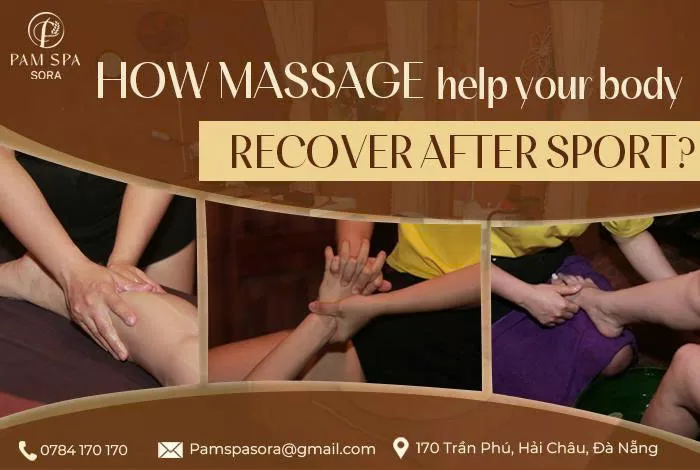
After giving your all to running, working out at the gym, or playing football, your body deserves proper care instead of having to endure lingering aches and muscle soreness. When performed correctly, massage can help relieve muscle tension and support the body’s natural recovery process.
To help you better understand your body’s needs, PAM SPA SORA shares a detailed guide on the right timing and safe massage methods while avoiding excessive pressure on painful areas. Let’s explore!
1. Why Does the Body Often Feel Sore After Playing Sports?
After physical activity, especially high-intensity exercise or movements your body is not used to, your muscles have to work harder than usual. You may experience heaviness, tension, stiffness, or pain when moving, particularly in frequently used areas such as the thighs, calves, shoulders, back, and hips.
This discomfort does not always appear immediately after exercise. A common type of muscle soreness is delayed-onset muscle soreness, or DOMS (Delayed Onset Muscle Soreness), which may become more noticeable within 24–72 hours after physical activity. According to review studies, massage after exercise may help reduce the severity of DOMS-related muscle soreness at certain points during the recovery period.
This explains why you may feel perfectly fine immediately after playing football or going for a run, only to find it difficult to sit down, climb stairs, or stretch your legs the next day. This is also when many people start looking into massage for post-workout muscle pain relief as a way to support relaxation and body care.
1.1 Does Post-Exercise Muscle Soreness Always Require Massage?
Not every case of post-exercise pain is suitable for massage. If you only experience mild muscle fatigue, tension, or soreness after physical activity, massage at an appropriate intensity may be an option for relaxation.
On the other hand, if you experience severe pain, significant swelling, bruising, pain after a strong impact, noticeable difficulty moving, or pain that continues to worsen, you should not attempt to massage the affected area. These symptoms may be related to an injury that requires evaluation by a healthcare professional.
Therefore, the key is not to massage as deeply as possible, but to assess your physical condition before receiving a massage.
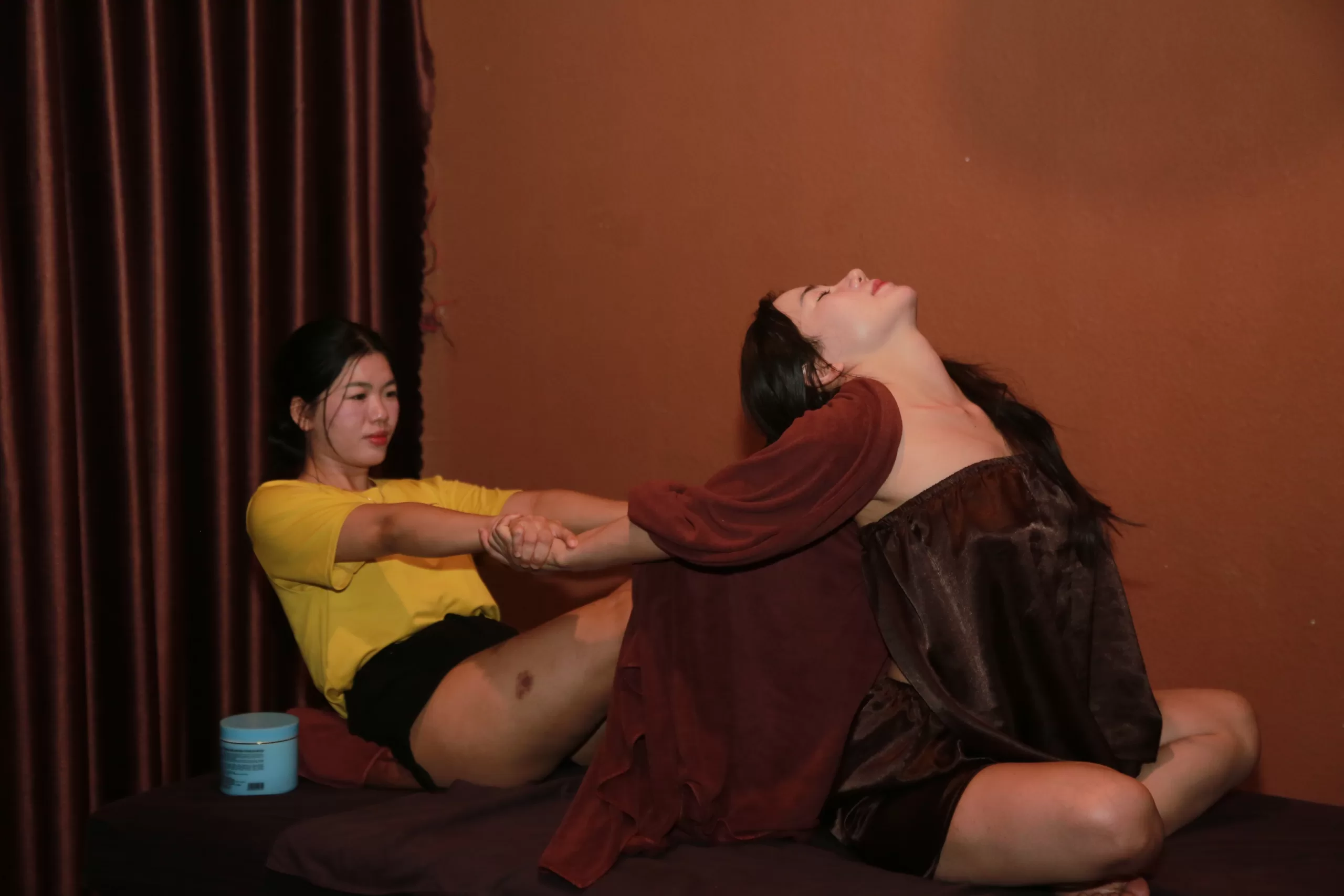
Customer enjoying a massage experience
2. How Does Massage Support Recovery After Playing Sports?
Through techniques such as rubbing, gliding, and applying moderate pressure, massage gently works on tense muscles and soft tissues. The main purpose is to ease muscle tension, relieve soreness, and help the body enter a more relaxed state after prolonged physical activity.
Although massage cannot make your body “recover 100% instantly” or replace quality sleep and proper nutrition, it can help soothe lingering muscle discomfort and promote a greater sense of flexibility and ease.
At PAM SPA SORA, we view massage as an important part of body care—a space where you can listen to your body, relax, and recharge safely after every workout.
2.1 Helps Reduce Muscle Pain and Tension
One of the most common reasons people seek massage is muscle soreness after physical activity. A 2017 systematic review found that massage may help reduce muscle soreness after strenuous exercise, particularly at 24, 48, and 72 hours after exercise.
Therefore, massage for post-workout muscle pain relief may be suitable for people who exercise regularly and want to reduce discomfort during recovery between training sessions.
The experience and effects of massage can vary from person to person because each body responds differently. Feelings of relaxation, relief, or muscle recovery may depend on factors such as your current physical condition, the timing of the massage, your daily activity level, and the amount of pressure applied to each muscle group. Choosing a massage approach that matches your actual condition can therefore help provide a more comfortable and relaxing experience.
2.2 Helps Muscles Relax After Physical Activity
After a workout, your muscles may remain tense and stiff even after you stop exercising. Appropriate massage techniques may help the muscles feel more relaxed.
This is why muscle relaxation massage is often chosen after activities that place significant demands on the muscles, such as running, cycling, weight training, or playing sports.
Rather than focusing on applying very strong pressure, an appropriate massage should prioritize a level of pressure that feels comfortable. If the pressure causes you to tense up or increases your pain, it does not mean that the massage is “working better.”
3. Can Massage Improve Blood Circulation After Playing Sports?
“Massage improves blood circulation” is a common statement when discussing post-exercise recovery. However, in practice, the sense of comfort and relief you experience after a massage may largely come from relaxation of the nervous system and soft tissues.
Whether massage directly increases blood flow or “flushes out toxins” remains subject to differing views. Therefore, instead of viewing massage as a “miracle” method for instantly improving circulation, it is better to see it as a supportive form of body care that can help ease muscle tension, soothe tired legs, and promote an overall feeling of relaxation after exercise.
3.1 Massage and the Feeling of Lightness After Exercise
After physical activity, many people experience heavy limbs, muscle tension, and difficulty relaxing. When massage is performed with appropriate pressure, tension in certain muscle groups may decrease, helping the body feel more comfortable.
This is one of the benefits people tend to notice more clearly than claims about improving athletic performance. Some reviews have also reported that massage may promote relaxation, reduce stress, and decrease perceived fatigue.

Customer enjoying a massage experience
4. How Long After Playing Sports Should You Wait Before Getting a Massage?
There is no single ideal massage time for everyone because each person’s body has its own recovery process. The appropriate timing may depend on the type of exercise, workout intensity, and how your body feels afterward.
If you only feel mildly tired after playing sports, resting, drinking enough water, and engaging in light activities before your massage may help your body gradually transition into a relaxed state.
For people who have just completed an intense workout, there is no need to massage immediately. You can allow your body to settle, monitor your soreness, and choose a more suitable time for massage.
4.1 Is Massage Immediately After Exercise Good for You?
Getting a massage immediately after exercise is not always necessary. If your body is still overheated, your heart rate remains elevated, or you feel dizzy or extremely fatigued, prioritize resting and allow your body to return to a stable state first.
Once your body has stabilized, a gentle massage may be considered if you want to relax and care for the muscles you have just used.
The important thing is not to treat massage as a mandatory step after every workout. A proper recovery plan should still include adequate rest, sufficient sleep, proper nutrition, and appropriate adjustment of exercise intensity.
4.2 Should You Get a Massage the Next Day?
If you only experience mild muscle tension, fatigue, or soreness when moving after a workout, you may consider getting a massage the following day to help your body relax. This is also when many people begin to notice muscle soreness more clearly after running, weight training, or participating in high-intensity sports.
However, you do not necessarily need to get a massage immediately after waking up or use strong pressure on sore areas. Choose moderate pressure, focus on tense and tired muscle groups, and stop if you experience increased pain or discomfort.
If the pain is mild and is not accompanied by swelling, bruising, sharp pain, or restricted movement, a gentle massage may help you feel more comfortable. On the other hand, if you experience significant pain or suspect a sports injury, prioritize rest and have your condition assessed instead of massaging the painful area yourself.
For those looking to relax and care for their bodies properly after physical activity, PAM SPA SORA is a place you may consider, offering gentle massage treatments.
5. How Should Massage for Post-Sports Pain Relief Be Performed?
A post-exercise massage should not simply focus on applying strong pressure to painful areas. The approach should be based on your actual physical condition and the tolerance of each muscle group.
Before the massage begins, tell the therapist about the activity you have just completed, which muscle groups feel tired, and any areas where you feel discomfort. This information can help the therapist choose an appropriate pressure level and massage areas.
5.1 Prioritize Moderate Massage Pressure
If the goal is relaxation and reducing the feeling of muscle tension, moderate pressure is generally more comfortable than excessive pressure.
Pain during a massage does not necessarily mean that the massage is more effective. If the pressure makes you grimace, tense your muscles, or causes your pain to increase, let the therapist know immediately so the pressure can be adjusted.
In particular, you should not force yourself to tolerate pain simply because you believe that a more painful massage will help your muscles recover faster. There is currently no solid basis for this belief.
5.2 Focus on Frequently Used Muscle Groups
The muscle groups under the most stress can vary depending on the sport. Runners typically use their leg muscles extensively; gym-goers may focus on their legs, back, shoulders, or arms; football players may experience more noticeable soreness in their thighs and calves.
Identifying the muscle groups that need attention allows the massage to have a clearer purpose instead of applying strong pressure evenly across the entire body.
At PAM SPA SORA, guests can discuss their needs with the therapist before the treatment. The spa’s website also introduces hot stone foot massage and full-body massage, which may suit those looking for relaxation and body care after daily activities.
6. Who May Consider Getting a Massage After Exercise?
Post-exercise massage may be suitable for many people who exercise or engage in physical activities regularly, especially when the goal is to relax the body and reduce mild muscle soreness.
Runners, gym-goers, cyclists, badminton players, football players, and people involved in other physical activities may consider massage if they do not show signs of injury.
However, massage is not appropriate in every situation. If you have recently fallen, experienced a strong impact, or suspect a muscle strain, sprain, or other injury, massaging the painful area on your own may not be appropriate.
6.1 When Should You Avoid Massage?
You should be cautious if the painful area shows signs of swelling, warmth, redness, bruising, or significant tenderness when touched. Severe pain, restricted movement, or pain that does not improve are also signs that should not be ignored.
If you suspect an injury, prioritize medical assessment rather than trying to massage the area so that you can continue your normal activities.
Spa massage is primarily intended for relaxation and body care. It should not be considered a method for diagnosing or treating sports injuries.
7. Can Massage Completely Replace Rest After Exercise?
The answer is no!
Although massage can provide a pleasant experience and help soothe tense muscles, it is not a “magic solution” that can replace sleep or the nutrients your body needs. In reality, massage is simply a supportive part of the recovery process. It can help the body relax more comfortably, but it cannot restore 100% of your physical strength on its own.
7.1 How to Combine Massage With a Healthy Lifestyle for Better Recovery
To help your body return to an energetic state, massage should be combined with healthy daily habits:
- Stay hydrated and maintain proper nutrition: Replenish fluids lost during exercise and provide your body with sufficient nutrients to support muscle recovery.
- Prioritize sleep: Quality sleep is one of the body’s most important natural recovery mechanisms. No matter how often you receive massages, your body can still feel exhausted if you consistently lack sleep.
- Listen to your body: Get adequate rest instead of rushing back into another intense workout.
7.2 Listen to Your Body and Follow a Structured Training Plan
The feeling of relief and relaxation after leaving a massage room can sometimes make you think that your body has fully recovered. However, increasing exercise intensity or training volume too quickly afterward may increase the risk of injury.
Adjust your training schedule appropriately and combine it with proper relaxation at PAM SPA SORA to maintain flexibility and long-term physical well-being.
If you are looking for a massage treatment to relieve muscle tension after intense physical activity, consider the “Hot Stone Body Massage & Nourishing Scalp Treatment” service. The combination of firm massage techniques and acupressure is designed to help relax tense areas and leave your muscles feeling more comfortable.
8. Conclusion: Does Massage After Playing Sports Help the Body Recover?
Massage after playing sports can help the body relax and reduce feelings of muscle tension and soreness after high-intensity physical activity. However, massage should only be considered one part of the recovery process and should not replace adequate rest, sufficient sleep, proper nutrition, or appropriate training intensity.
If you are looking for ways to care for your body after running, working out at the gym, or playing sports, choose a massage approach that suits your physical condition and clearly communicate any areas of soreness to your therapist. In particular, avoid massage if you experience severe pain, swelling, bruising, or signs of injury.
At PAM SPA SORA, you can choose massage services designed to meet your relaxation and body-care needs after daily activities. A massage performed with appropriate pressure can provide valuable relaxation after exercise and help your body feel more comfortable as you return to your normal routine.
PAM SPA SORA – Official Website
PAM SPA SORA
Hotline: 0344 034 606
Address: 170 Tran Phu Street, Hai Chau District, Da Nang, Vietnam
Opening hours: 08:00 AM – 12:00 AM daily
Website: https://pamspa.com/